
My practice for Staying Curious
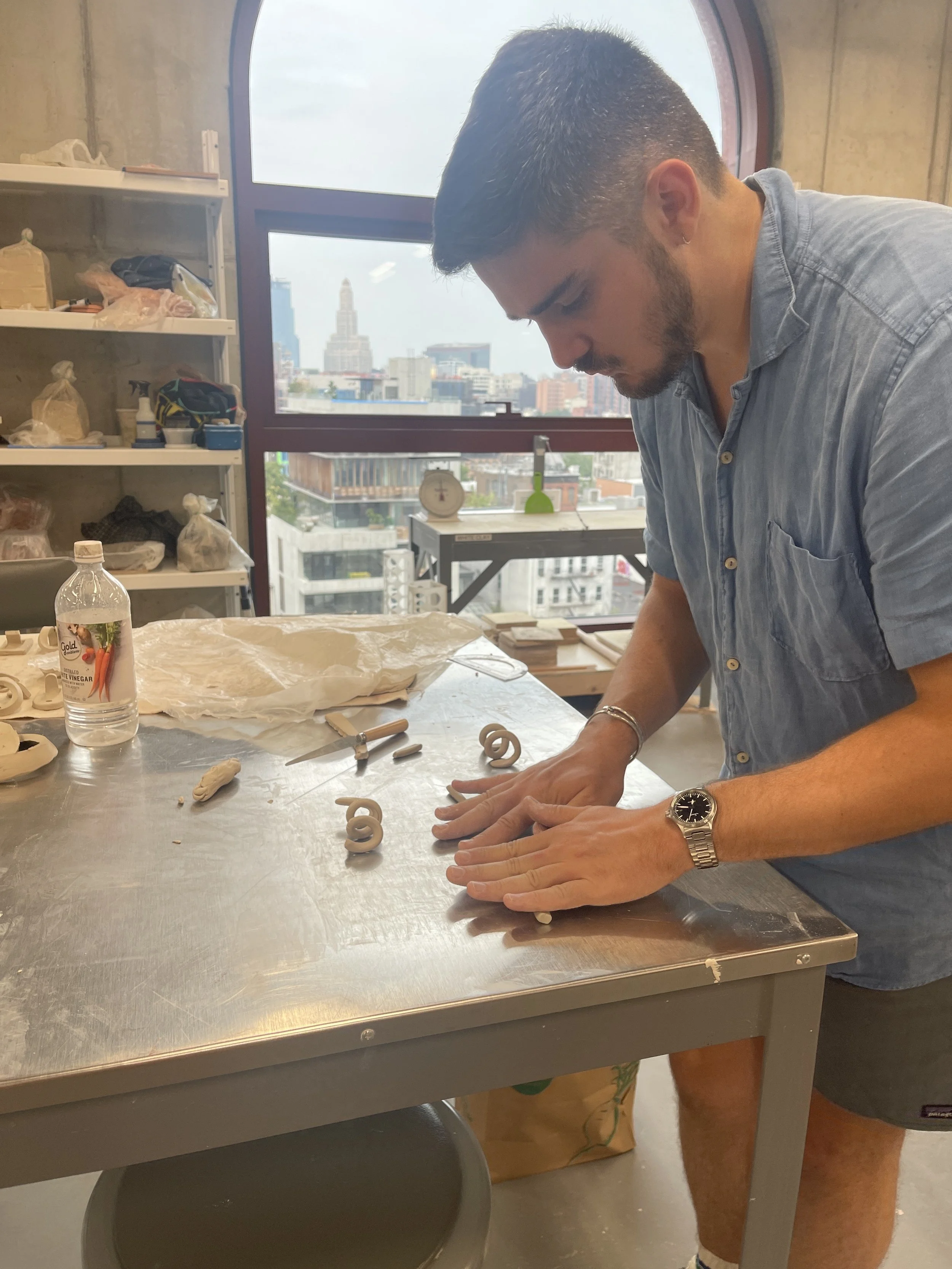
Learning hand building ceramics, and letting the material influence the final form of what is produced
I measure myself by how curious I am at any given moment in time. The best ideas I've encountered: whether designing AI systems at Microsoft or mapping patient journeys in healthcare, have never come from expertise alone. They come from curiosity, from asking questions that feel almost naive, and from finding connections between fields that have no business talking to each other.
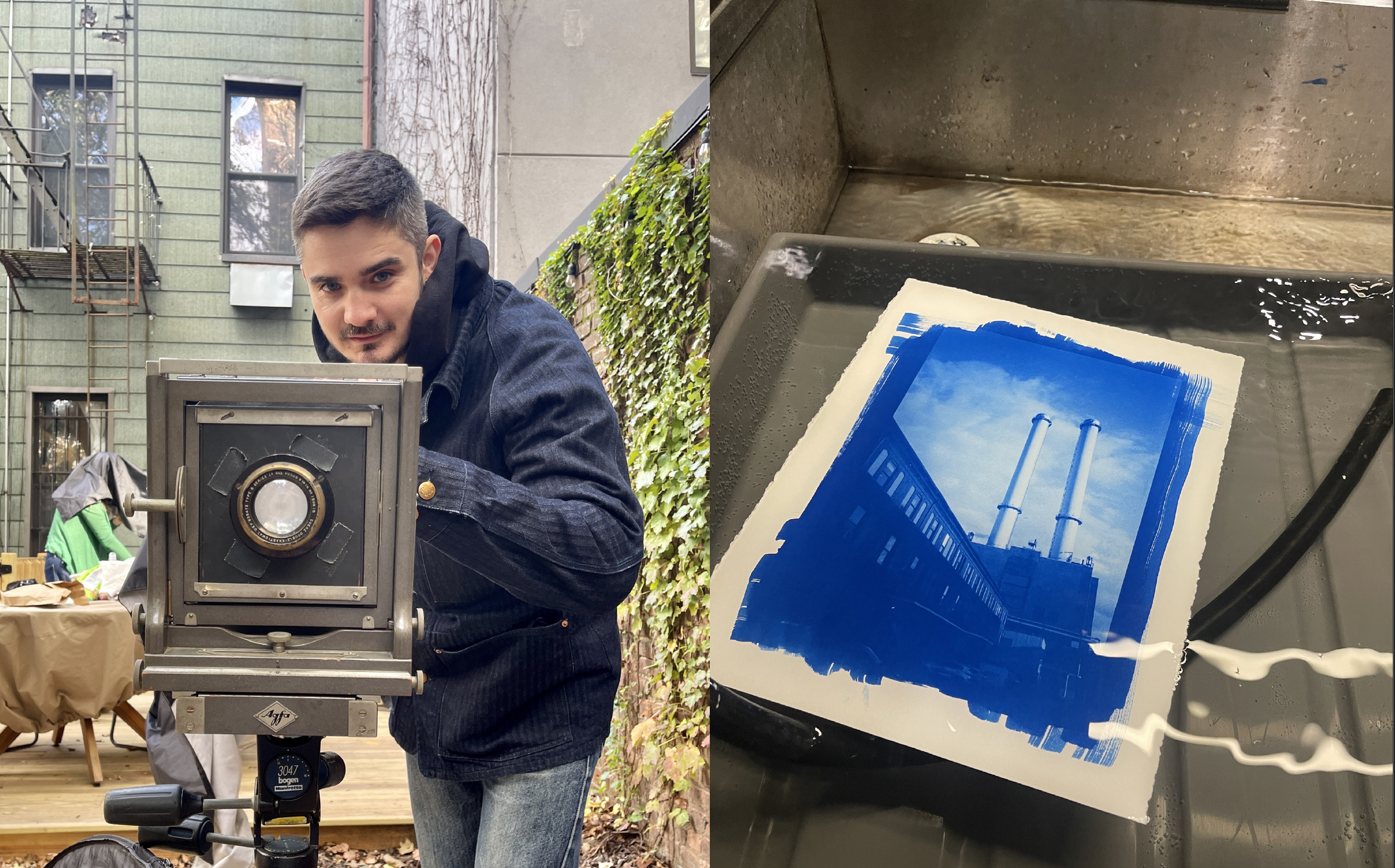
Shooting 4x5 large format and printing cyanotypes.
This is why I spent six months learning from Michelin-starred chefs at the Institute of Culinary Education. Why I learn to expose cyanotypes on century-old cameras. Why I weave and cane Shaker benches by hand, study perfume composition, throw ceramics, and cast jewelry.
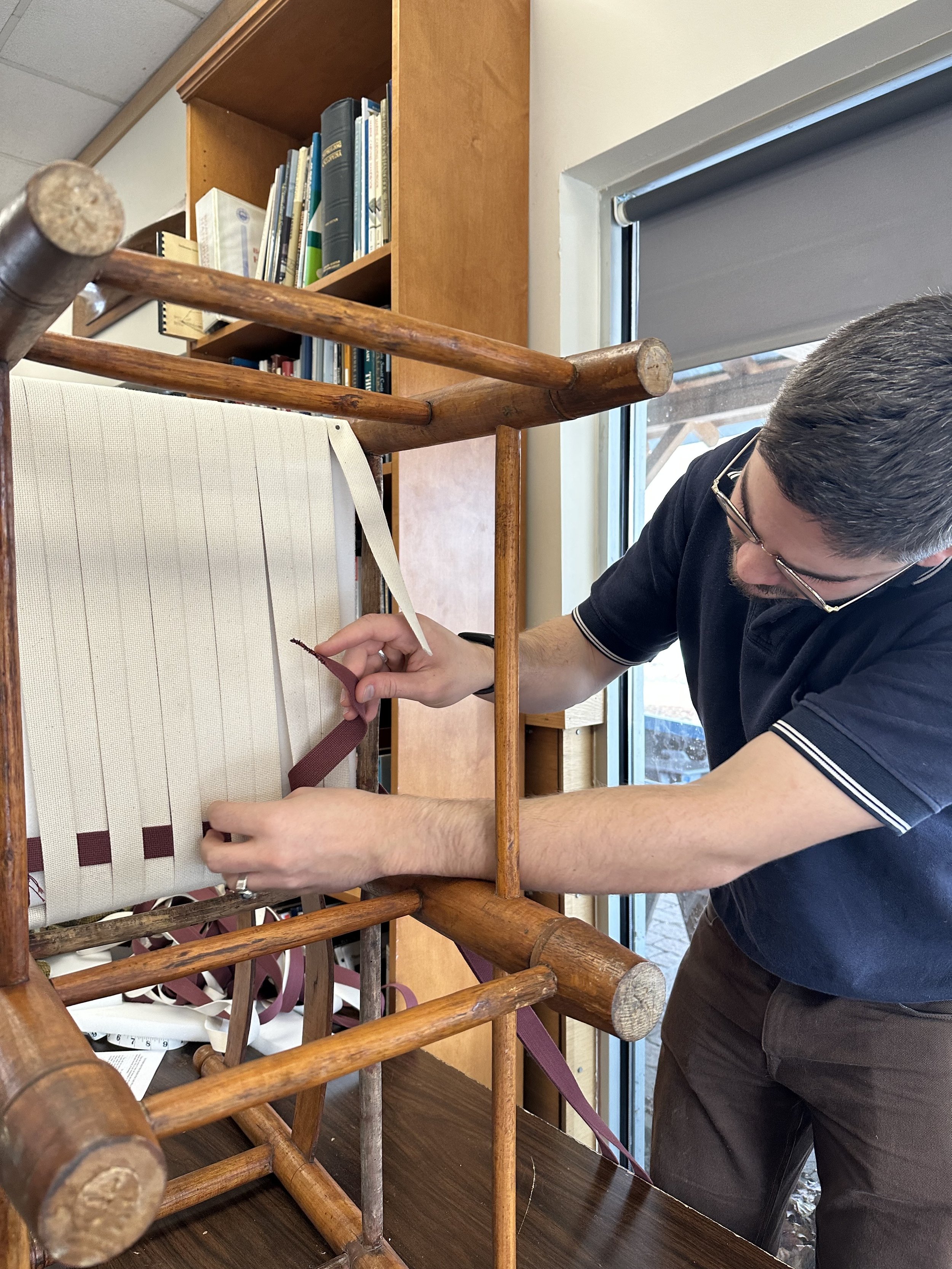
Learning Shaker caning and joinery at the Hudson Valley Ship Building Institute
Each craft teaches me something that years of professional practice can't. The beginner's mindset isn't about pretending ignorance, it's about genuine openness to how things work in domains you don't control. Our value as designers isn't that we're experts in everything. It's that we're expert beginners: we know how to learn, how to ask the questions that unlock insight, and how to recognize patterns that others miss.
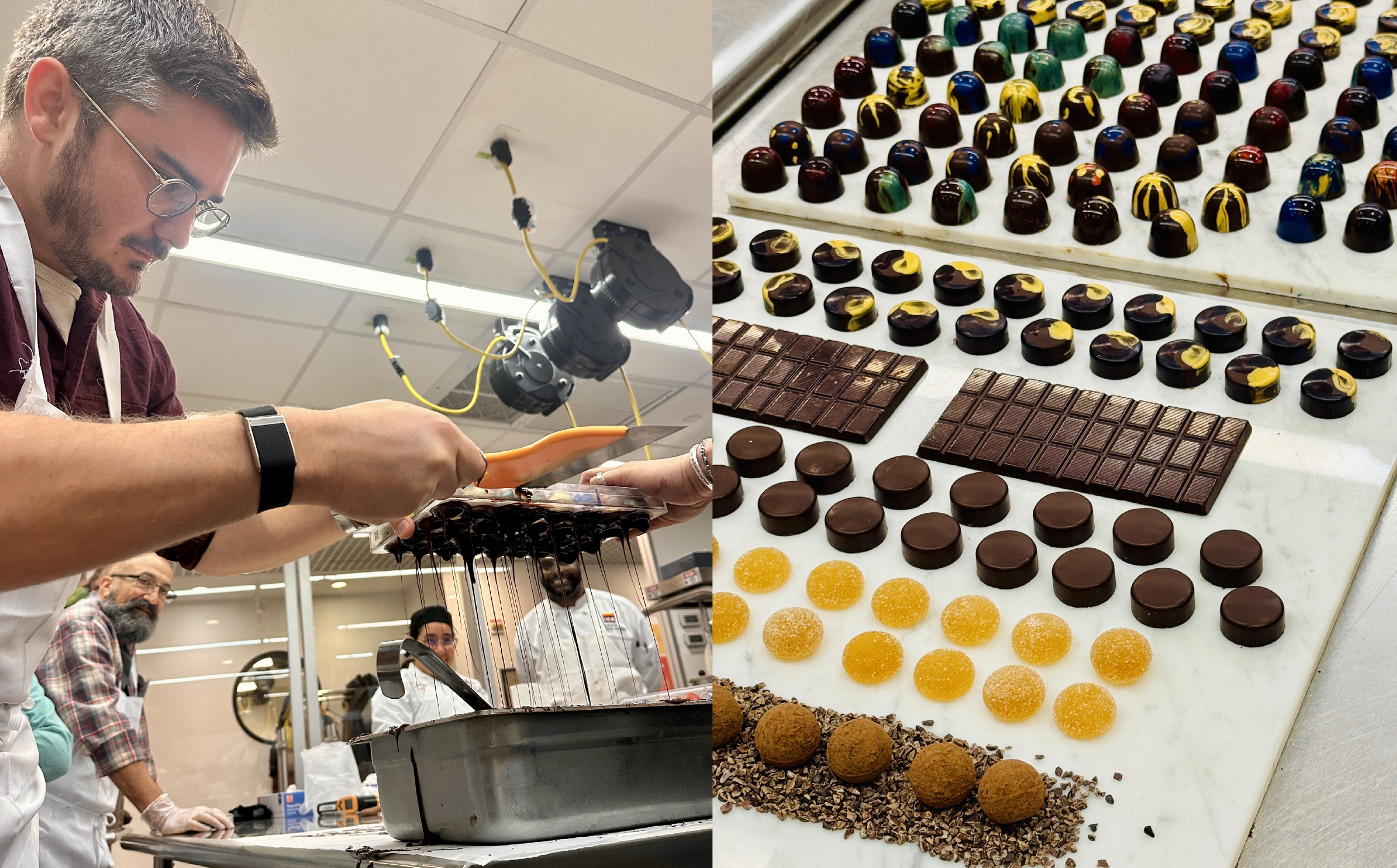
Six months at New York's Institute of Culinary Education, learning to temper chocolate, coordinate a kitchen, and compose plates.
I believe the best ideas come from being curious, asking naive questions, and finding connections between disparate fields. It's an ongoing practice that keeps me hungry for more.
