
Service Design as Community Practice
Service design is at its best when it's shared. Not sold, not gatekept: shared. The practice only gets stronger when more people know how to use it, when it reaches contexts beyond corporate strategy rooms, and when the people it's meant to serve are the ones learning to wield it.
I've spent significant time over my career teaching service design in contexts where it doesn't typically show up: nonprofits serving people experiencing homelessness, graduate engineering programs, and the broader design community. This work has been some of the most professionally rewarding of my career because of what it's built.
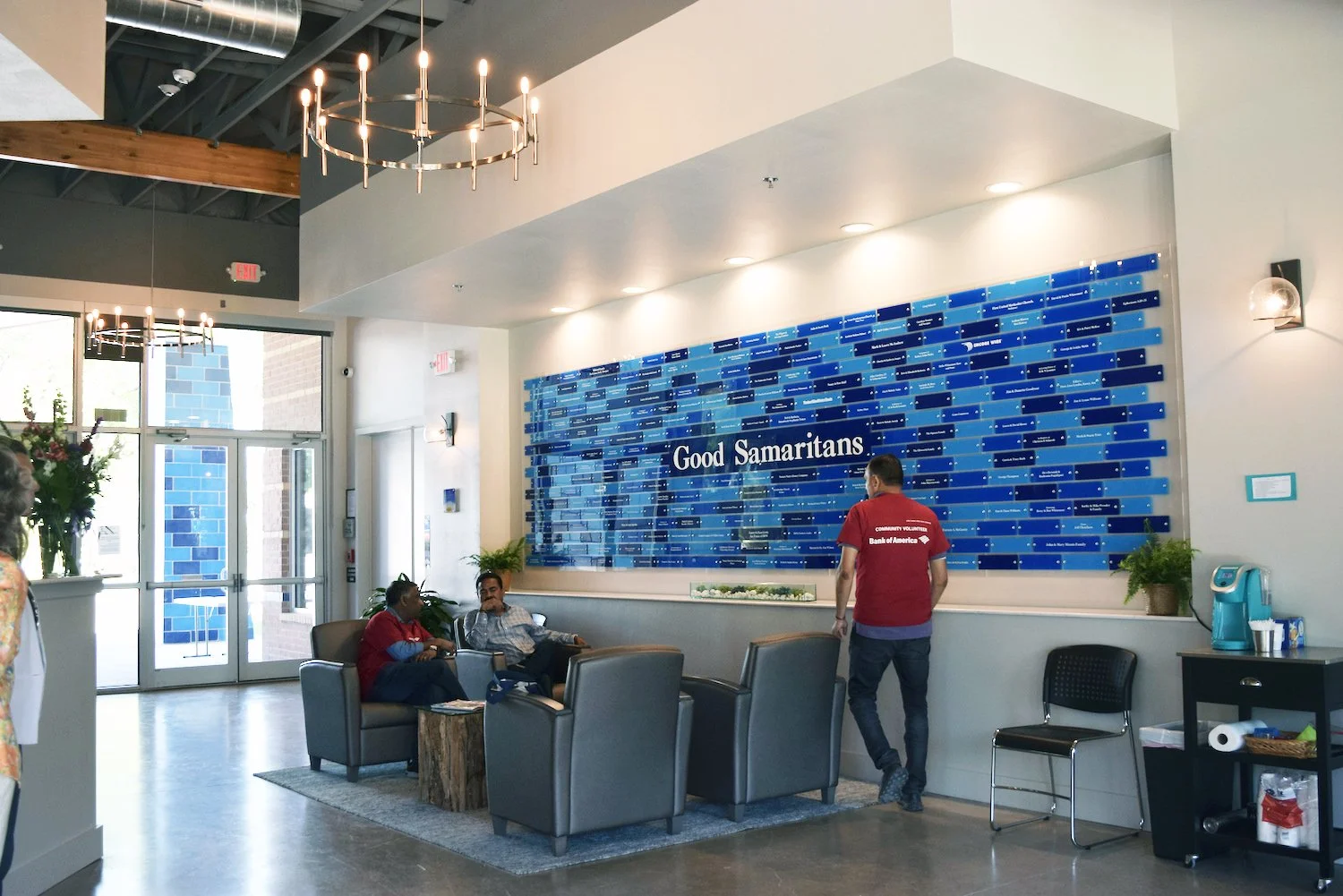
Teaching service design pro bono at Samaritan Inn, a nonprofit helping people experiencing homelessness build skills and stability
At Samaritan Inn, a nonprofit providing housing, financial literacy, and vocational training to people experiencing homelessness, I worked pro bono to introduce service design as a practice. I taught their team how to conduct research with the people using their services - what they call "tenants" - how to map the journey of both tenants and support staff, and how to co-create solutions that actually work for the people they're designed for. The practice stuck. They've formally integrated service design into their continuous improvement process, and they're still using it today.
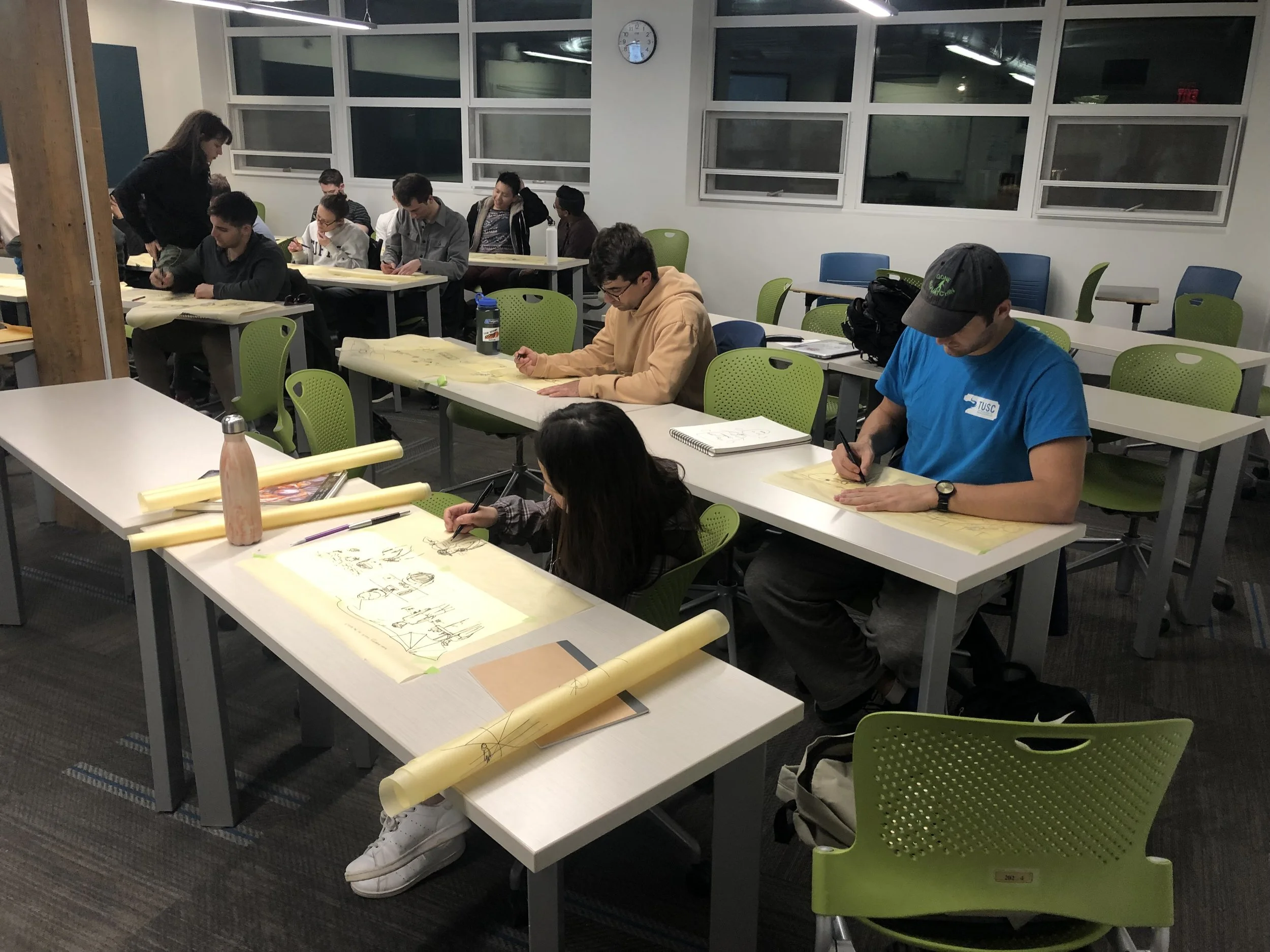
Teaching design thinking at Tufts University's Gordon Institute. Graduate engineering students learning to prototype, co-create, and think like designers.
At Tufts University's Gordon Institute, I co-created and taught a graduate-level design thinking course with two colleagues from Continuum Innovation. We focused on prototyping mindset, co-creation, and flexing design thinking muscles in an engineering context. Beyond being able to follow the careers of students long after the course ended, the experience gave me tangible skills for teaching design thinking and service design in corporate settings; something I do frequently now as I evangelize the practice across institutions.
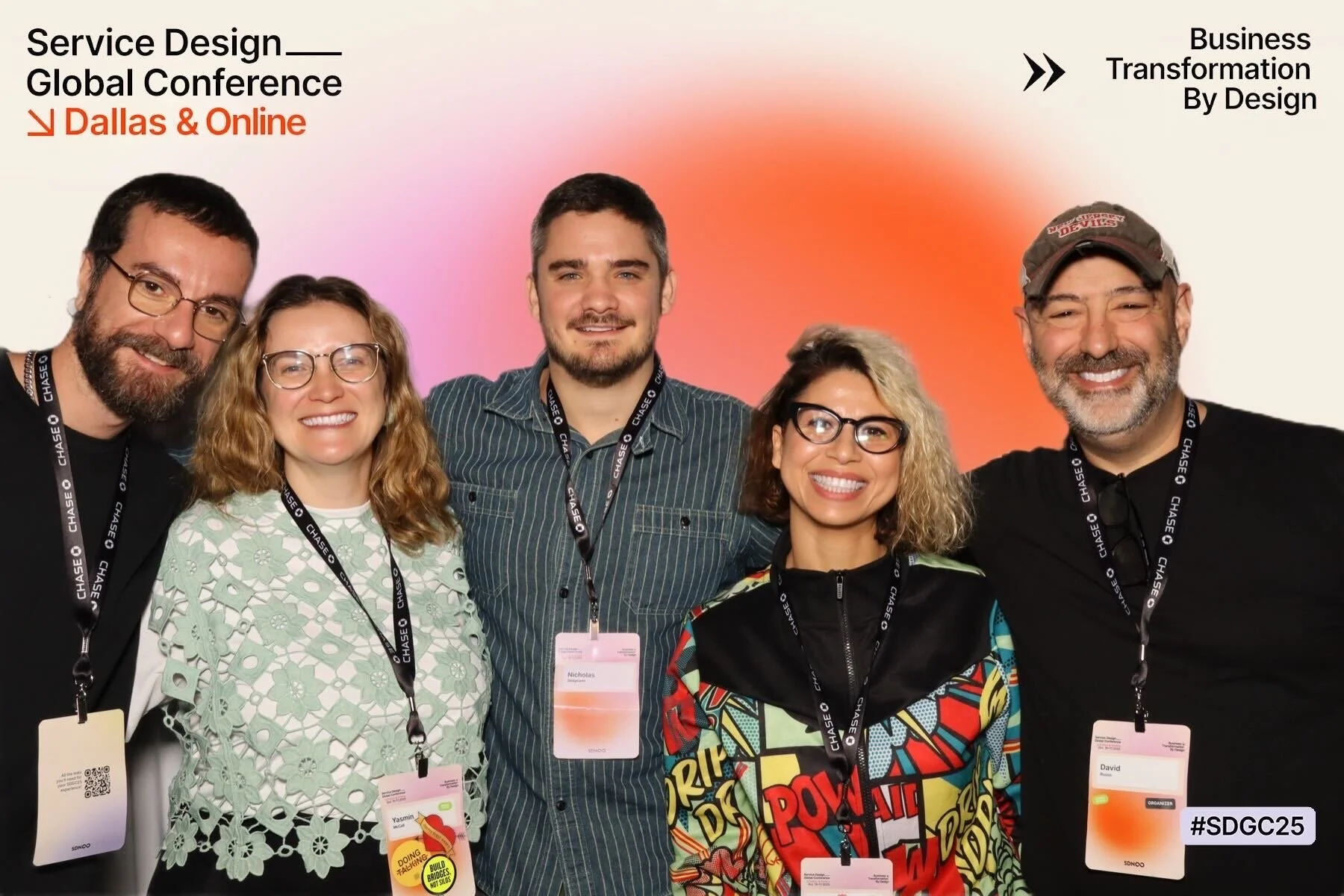
Co-leading Service Design Network NYC, building community and sharing the practice across industry and academia.
More recently, as pro bono practice co-lead for Service Design Network NYC, I host events, call for speakers, and connect industry and academia. We put on events to share trends in the field, create space for practitioners to learn outside the walls of their companies, and build professional community in a discipline that can feel isolating when you're the only service designer in the room.
Service design isn't proprietary: it's a practice that gets better the more it's taught, the more contexts it reaches, and the more it’s adopted.
