
SideWalk Labs
Design Research for Small Space Living
With a joint partnership between Google, SideWalk Labs, and ORI Living, I led an immersive field research program with urban residents living in tiny apartments to inform new affordable housing offerings.
✱In-situ field research to understand work-arounds of small space living.
✱ Design research directly informed the development of ORI robotic housing units.
Brief
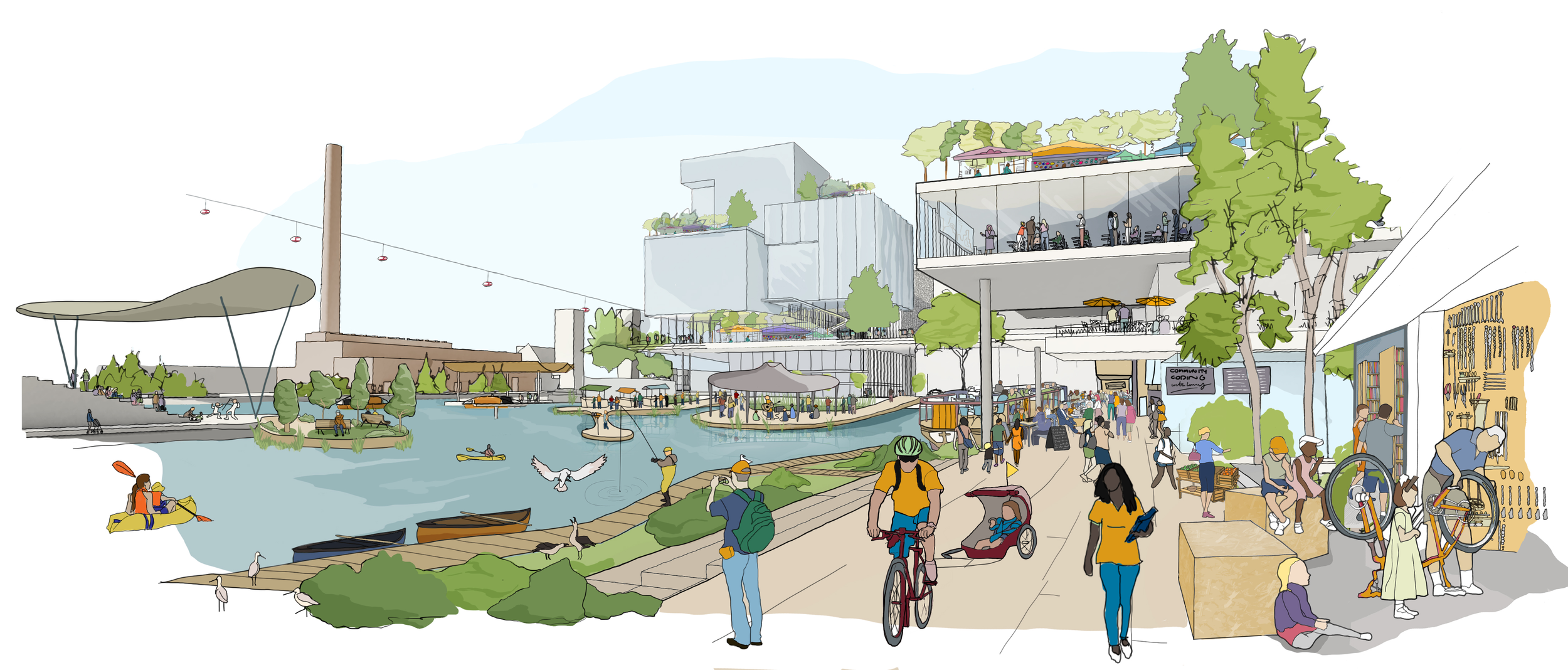
Market pressures are creating ever-smaller homes. Understand the needs of small-space residents and their workarounds to transfer best practices to create inclusive, accessible urban housing.
Results
✱ Recommendations led to SideWalk labs pilot with ORI living
Project Scope
✱ Design Research Lead, Client Relations
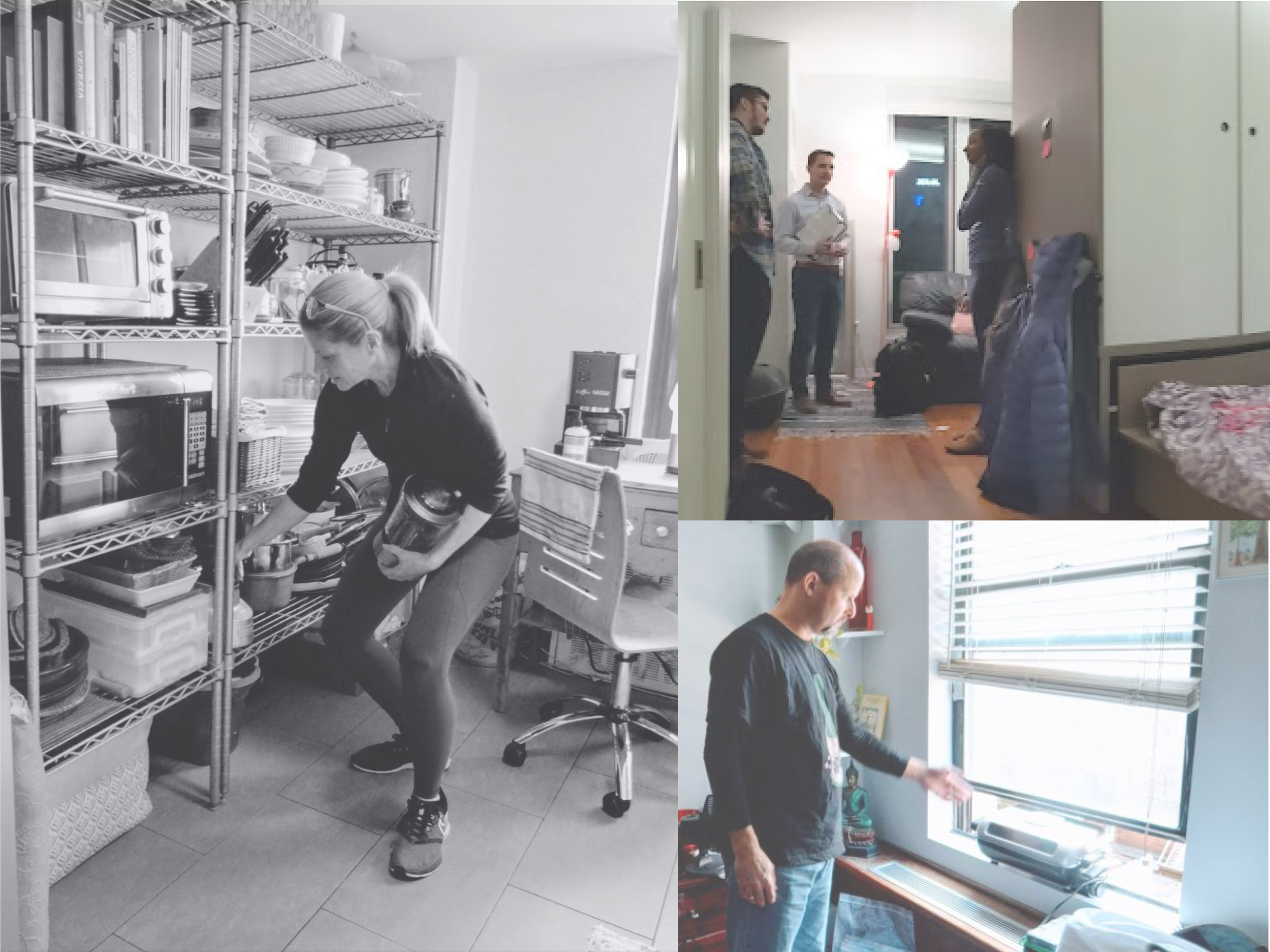
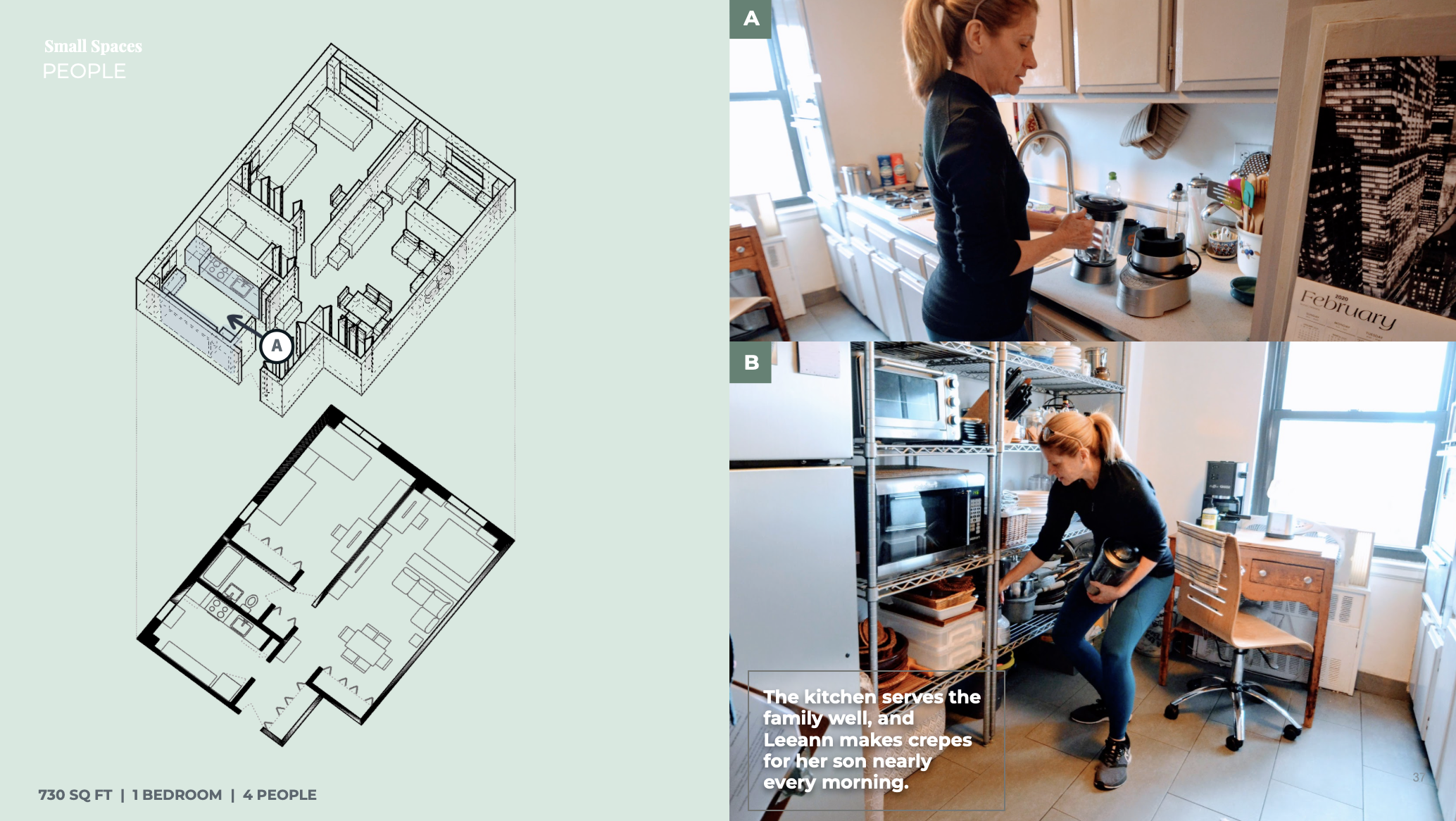
To uncover what SideWalk Labs should do to tailor to small space inhabitants, it required being there in person. I travelled to “hubs” for small spaces like NYC and Boston and walked through common life, work and play scenarios with residents.
What I quickly found is that residents had common needs from their space, and numerous workarounds that an intelligent, adaptable smart home could readily attend to.
Designing for Small Spaces Starts on the Ground
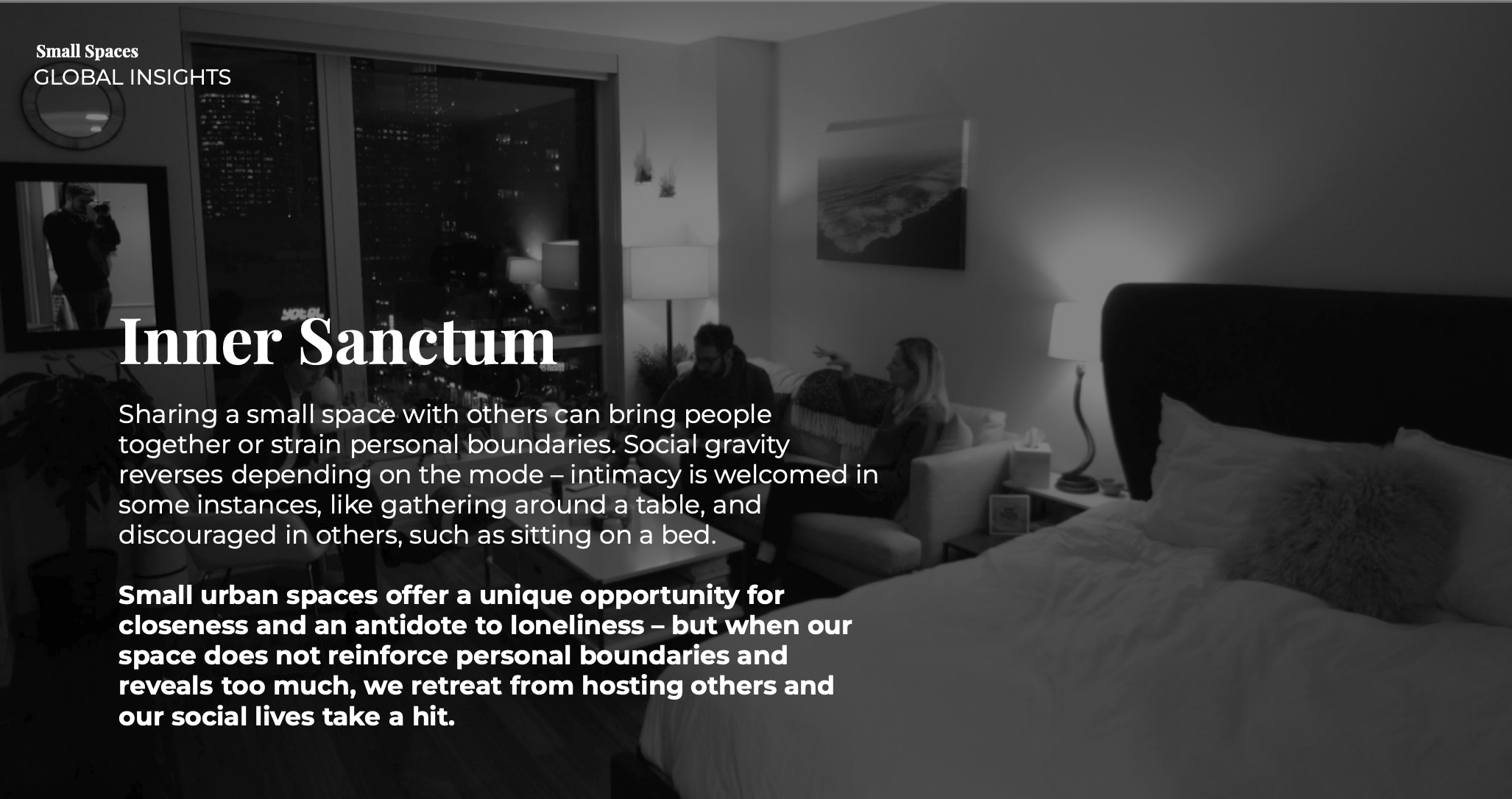
Small homes make demands on the people who live in them.
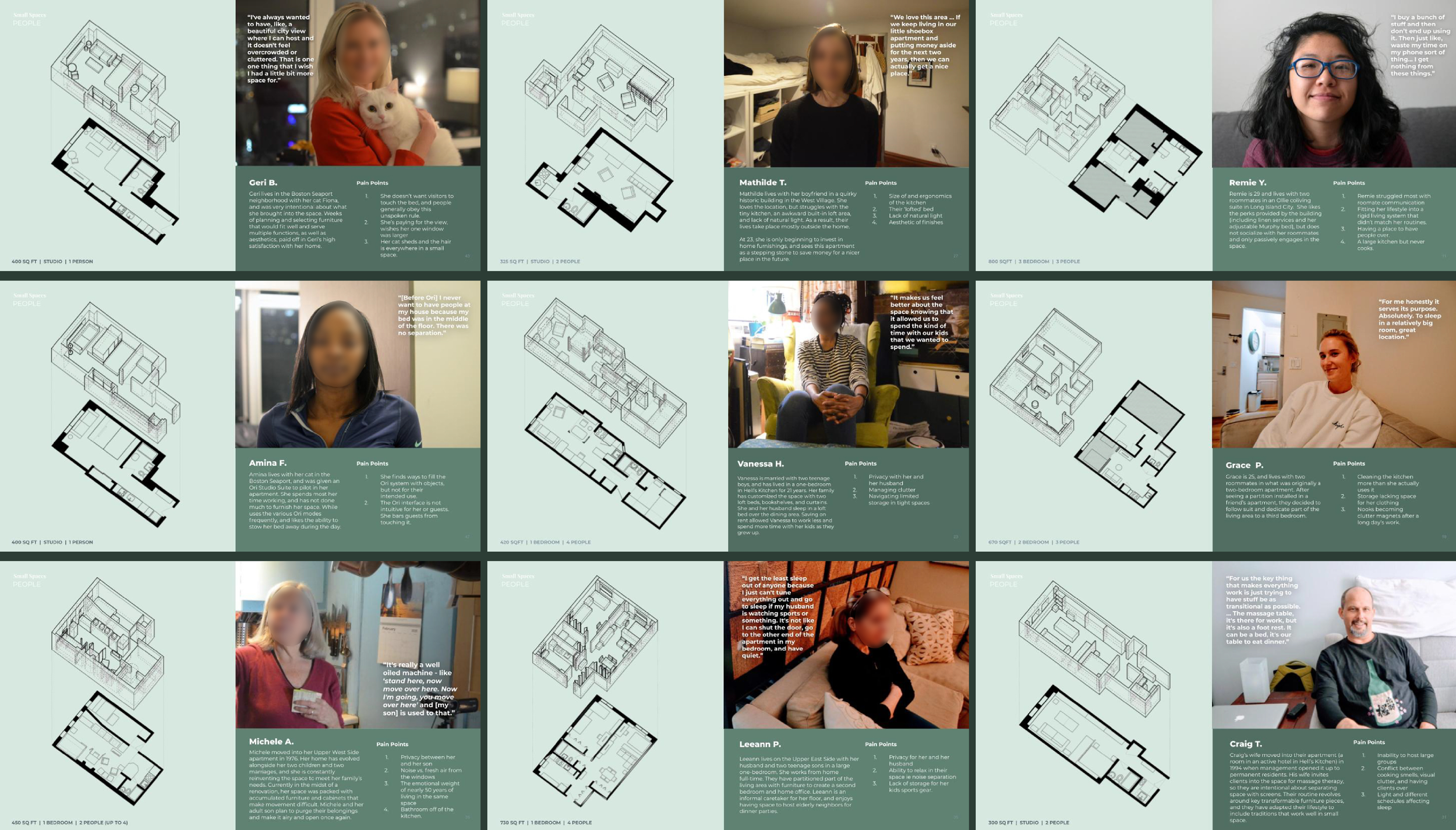
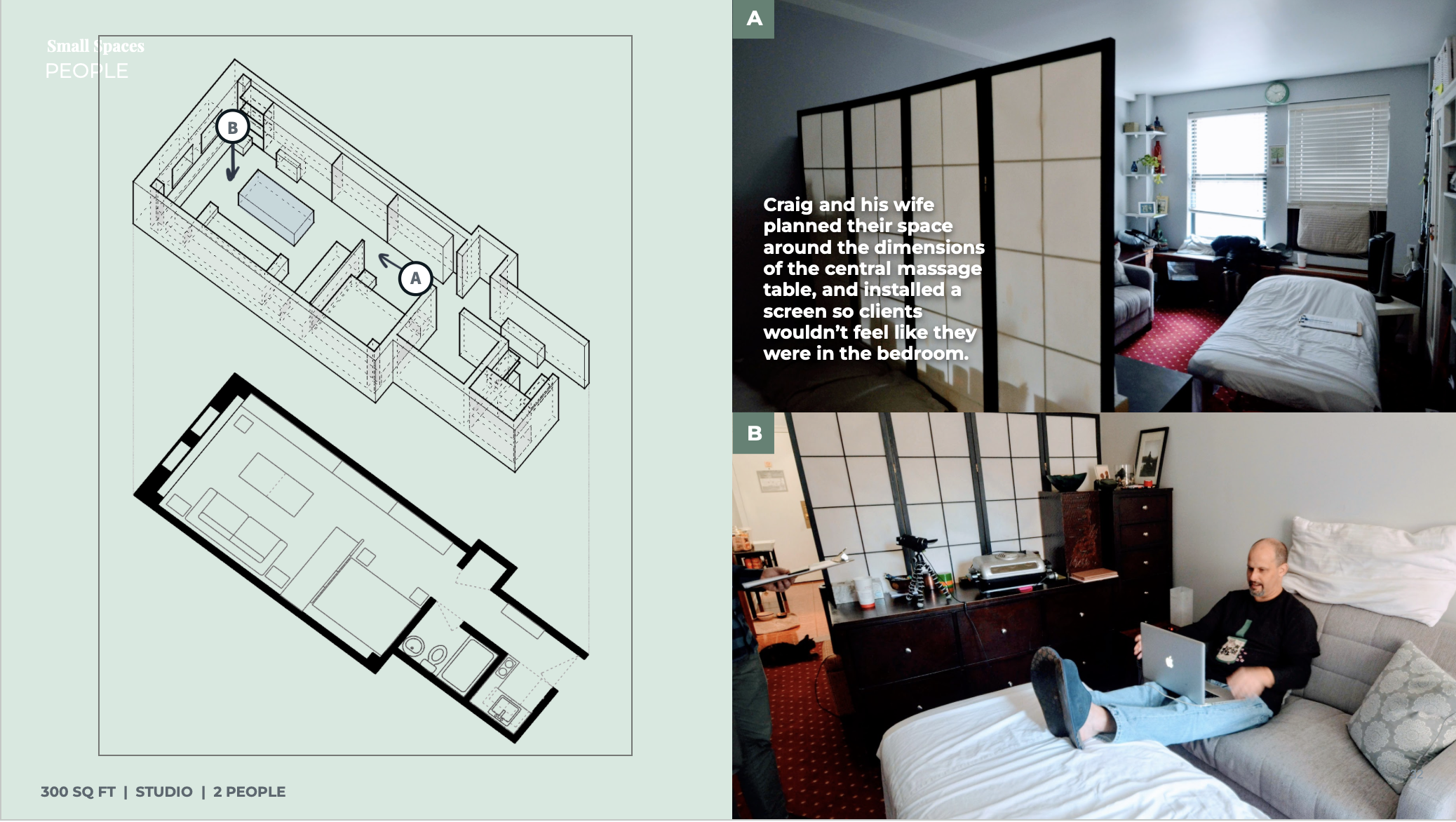
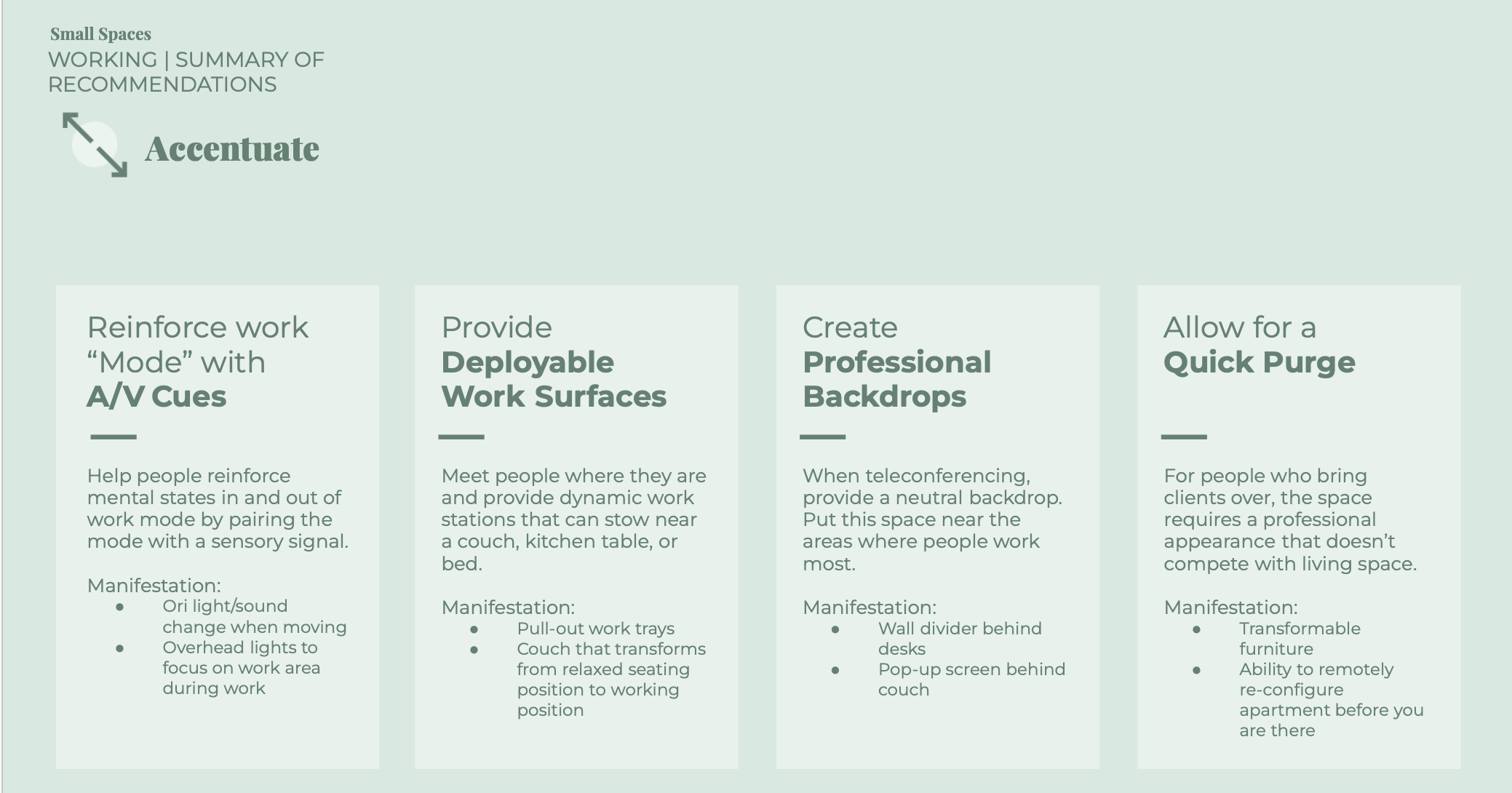
Through in-home ethnographic research with ten participants, I surfaced both the functional gaps and emotional frictions that residents navigate daily, and turned those findings into design tangible design recommendations.
The Outcome
Strategic Impact
Findings from this research shaped Sidewalk Labs’ design strategy for robotic and adaptable housing with Ori, demonstrating how intelligent environments could respond to real small-space behaviors.